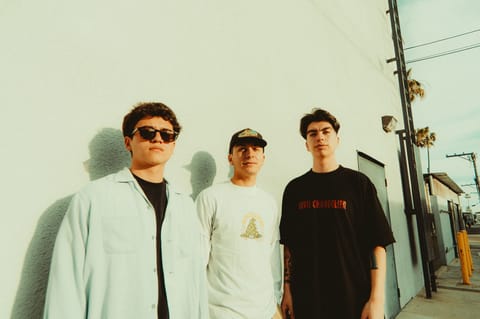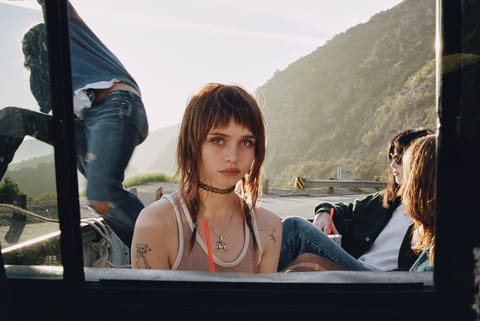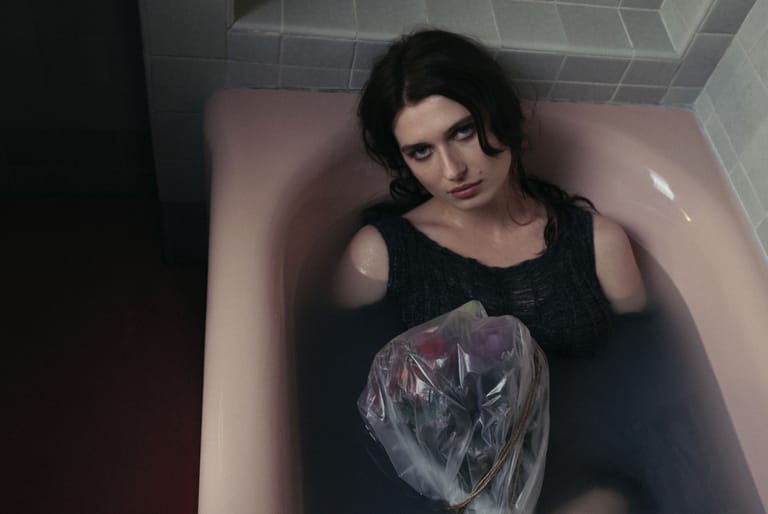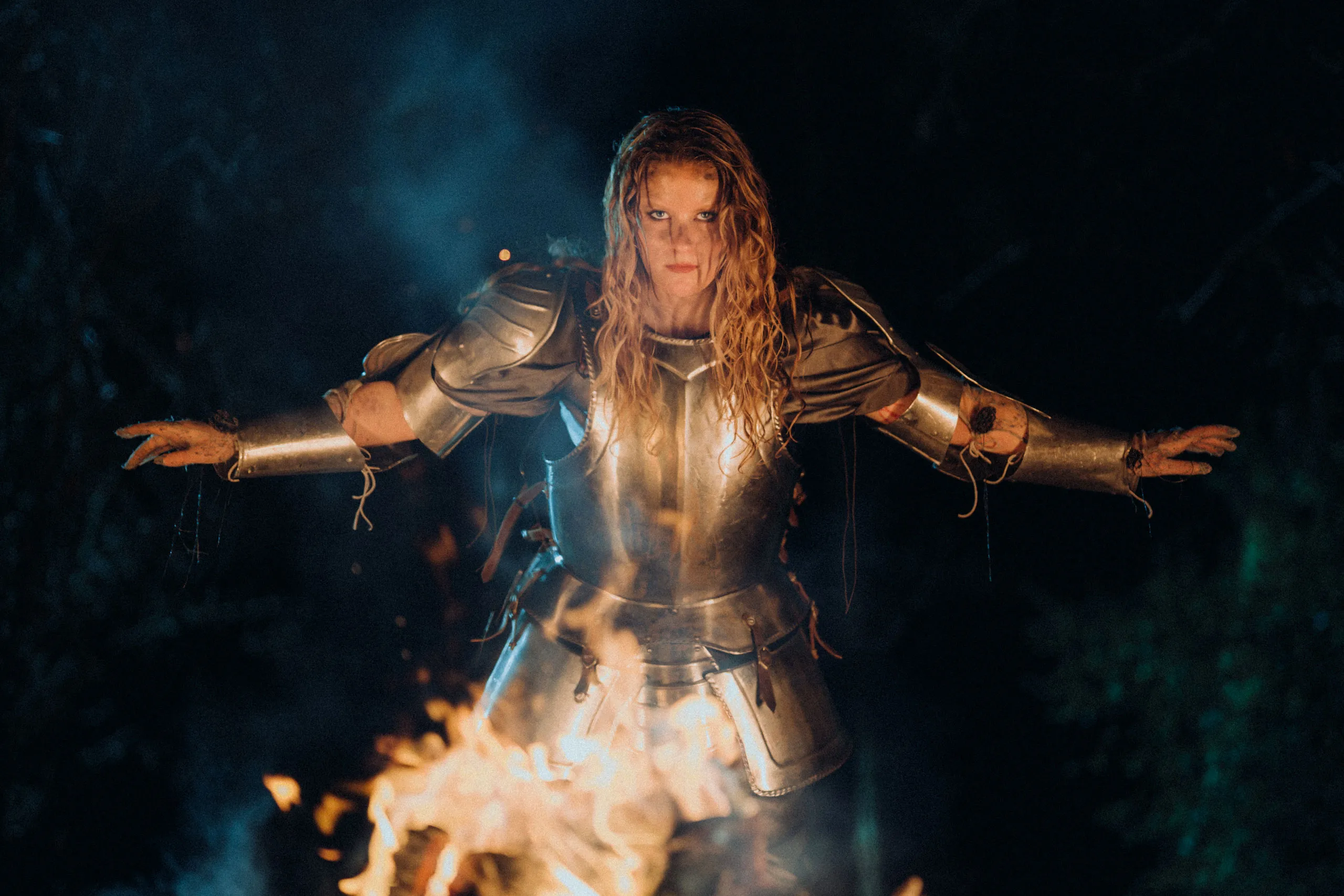
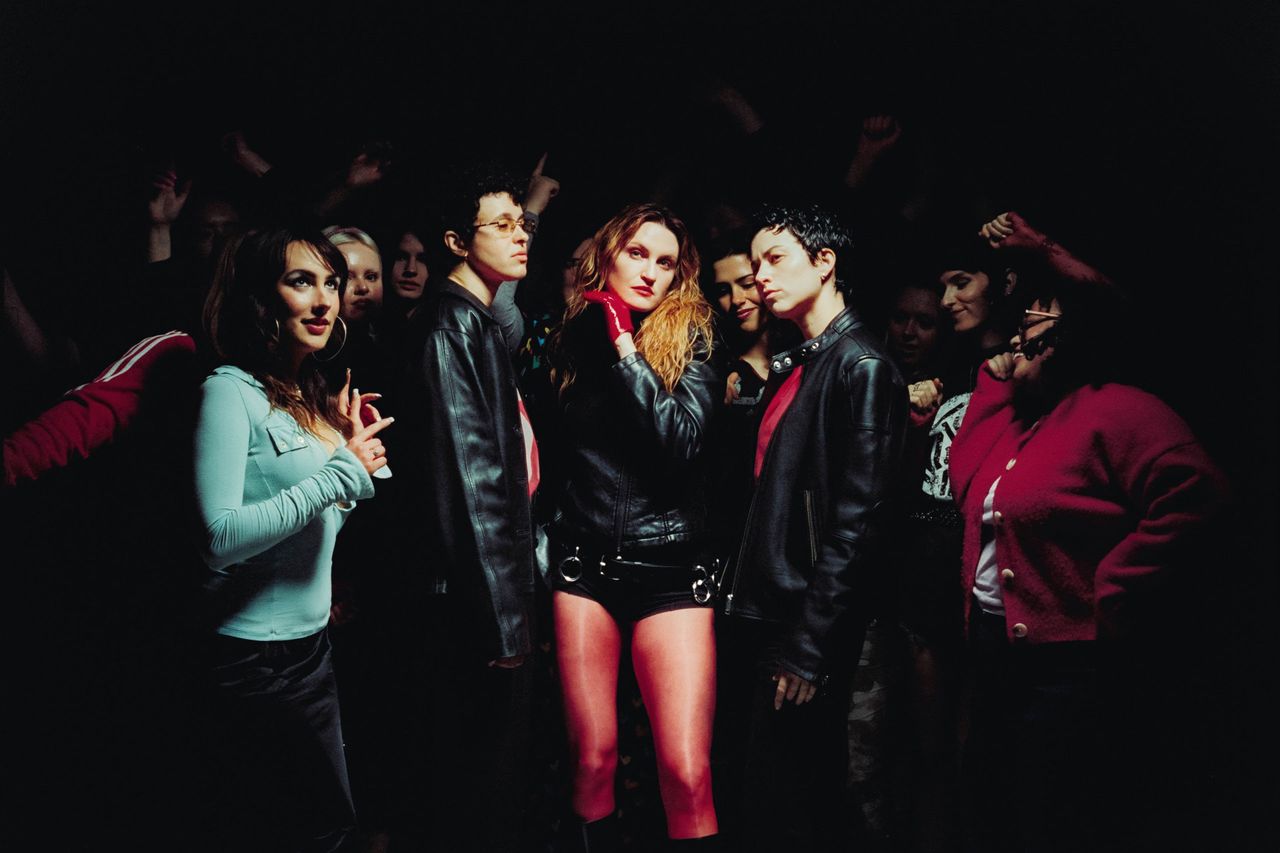
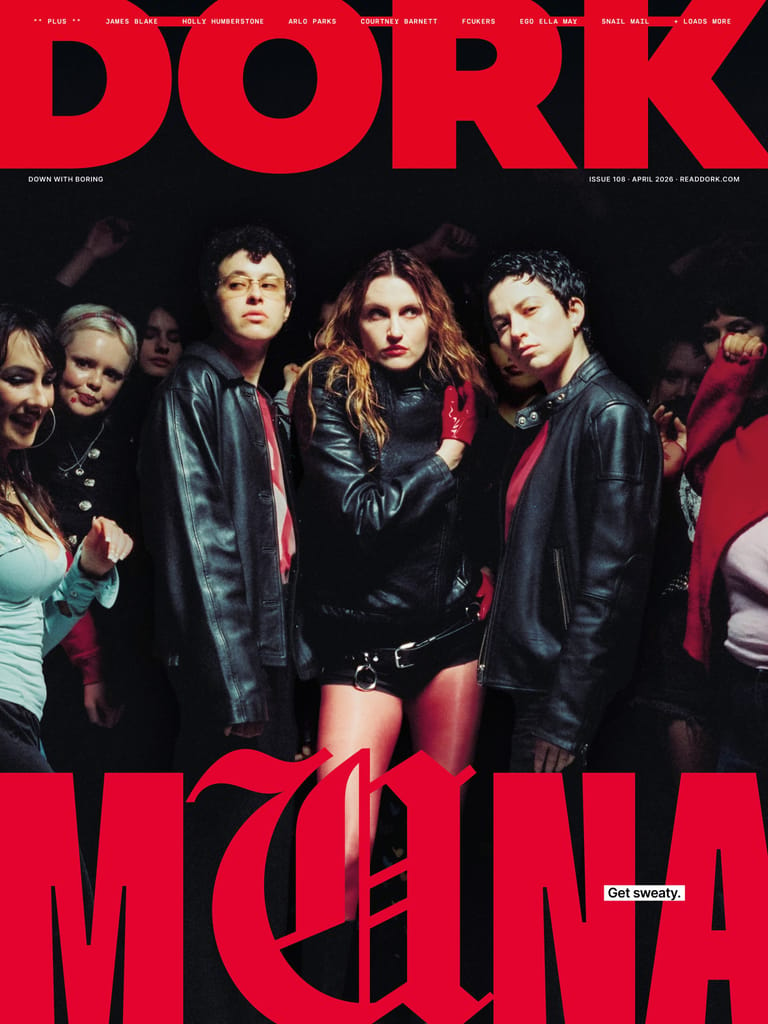
There's no better place of reckoning than a dance floor. To dance is to decipher and discern, and the sordid, sticky heat of a nightclub serves as the perfect stage on which to enact life's biggest mysteries and work through them, one at a time. Everything is different under those lights, and that dark, alluring atmosphere acts as the perfect home for MUNA's fourth album, 'Dancing On The Wall'. An album that exists in a place of contemplation, in between conflict and fear and desire and euphoria, 'Dancing On The Wall' is the inevitable product of the chaos of the last few years for MUNA, and arguably, their best yet.
With their self-titled third album, Katie Gavin, Naomi McPherson and Josette Maskin saw new heights of success - 'Silk Chiffon' still continues to ring in everyone's ears the moment the sun comes out each year, the stages they found themselves on grew rapidly in size, and they embarked on their longest album cycle as a result. With that being said, there was a lot left to contemplate when they finally arrived at a much-needed break. It was time to reckon with, recharge and reconvene, and let whatever happened next unfold as it may.
"We needed enough time to change a little bit more," explains Josette, as the band finally find time to pause and snack, upstairs in the studio they've just spent the afternoon shooting in.
Katie chips in: "There were certain life experiences that needed to happen for this record to fully come into fruition. Each of us had experiences, so we individuated a little bit, and that made us stronger when we came back together. I think you can fall into really specific roles in a band, and when we came back together, there was more space for people to feel more fluid, and that helped the creative process."
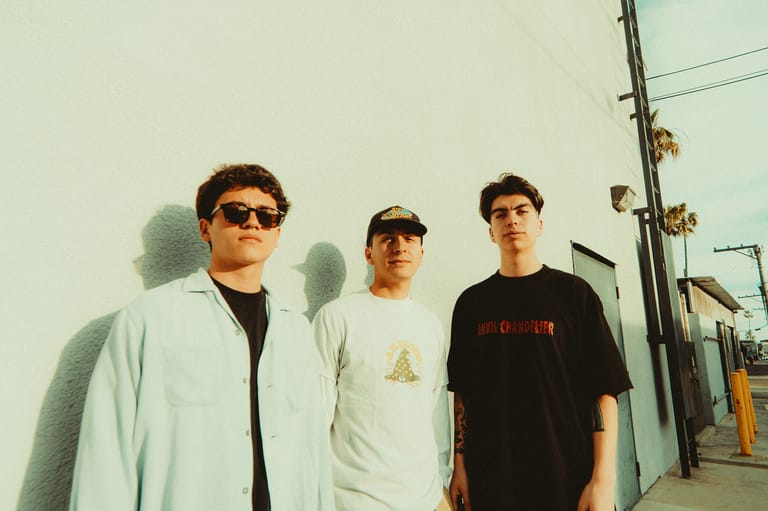
Though they toured 'MUNA' through to 2024, the trio still found time to stretch their creative muscles elsewhere. Katie released a solo album, Josette accrued even more songwriting credits, and Naomi even found themself making their on-camera debut ("Naomi looked fabulous in a movie…" says Josette. "I'm open for more roles," they confirm). Differentiating in their work lives and changing and growing in their personal lives was crucial for 'Dancing On The Wall', and facilitated by the sheer power of 'MUNA'.
"We had our most successful album with our last album," Katie acknowledges. "Then you have this really nice thing, which is time. We've never had the ability to take that much time, and I think we really loved that. In our ideal world, we've made a record that will allow us to have that again. We've received something really wonderful, and we would like to keep it."
Josette continues: "It's allowed us to make something that's different for us. We've changed enough to be able to be different people than we were with 'MUNA'."
When 'MUNA' was released, the band ultimately had things to prove - having been dropped from their label, their third album was the first on Saddest Factory Records, and it saw them return with a ferocity and determination to make an album that showcased their phenomenal artistry and capabilities. This time around, things were different. They knew exactly what they were capable of, and so did the rest of the world. All that mattered was making something that felt MUNA.
"In my opinion, so many things happened for us on the last cycle that we had been fantasising about doing for our entire career as a band," says Naomi. "The goalposts just change when you achieve those things… On the last album, we set out to make as many good songs with as few restrictions on the song. We were like, we'll have a country song, and an acoustic pop song. We were trying to flex our muscles and show ourselves and the listeners that this is all the stuff that we can do. This one, although it is obviously sonically eclectic still, I feel has a more contained mood, and story, and sense about it. Even though the last record is self-titled, that is tongue-in-cheek in a way. This feels like a very quintessentially MUNA album."
"I'm not afraid of big feelings"
There have been many iterations of MUNA along the way, and each one is a character in the world of 'Dancing On The Wall'. The dark-pop of their debut 'About U' waves from the bar as you enter, the bleak euphoria that seeps into each beat of 'Saves The World' can be found with arms raised in the centre of the room, tears streaming even as they dance along. These iterations have had their differences, but there is a common ground: the celebration of feeling things deeply and fully. It's something that has been in every offering from the band, and it feels more resounding than ever on this record. Each pang of anxiety, or lust, or anger demands to be heard, practically bursting through the speakers and into this world.
"The purpose of the band is to have songs that are about giant feelings," Naomi confirms. "Maybe not often the most easily articulable, or cogent. There are contradictions in all of our songs, and all of our records."
"I think there's also something a little bit petty about this record in the sense of I feel like the narrative voice of the record is a deep-feeler," Katie chimes in. "It feels like there's a certain degree of shaming on this record for this other in the story who is refusing to feel and has the walls up, and I think that maybe is not the most evolved way to handle that type of situation. But, I also don't think that pop music needs to be the most evolved version of ourselves. It has helped me in my life and in romantic situations to know that it's a strength of mine that I'm not afraid of the big feelings and I'm not running from that stuff, and if somebody can't meet me there, then that's on them."
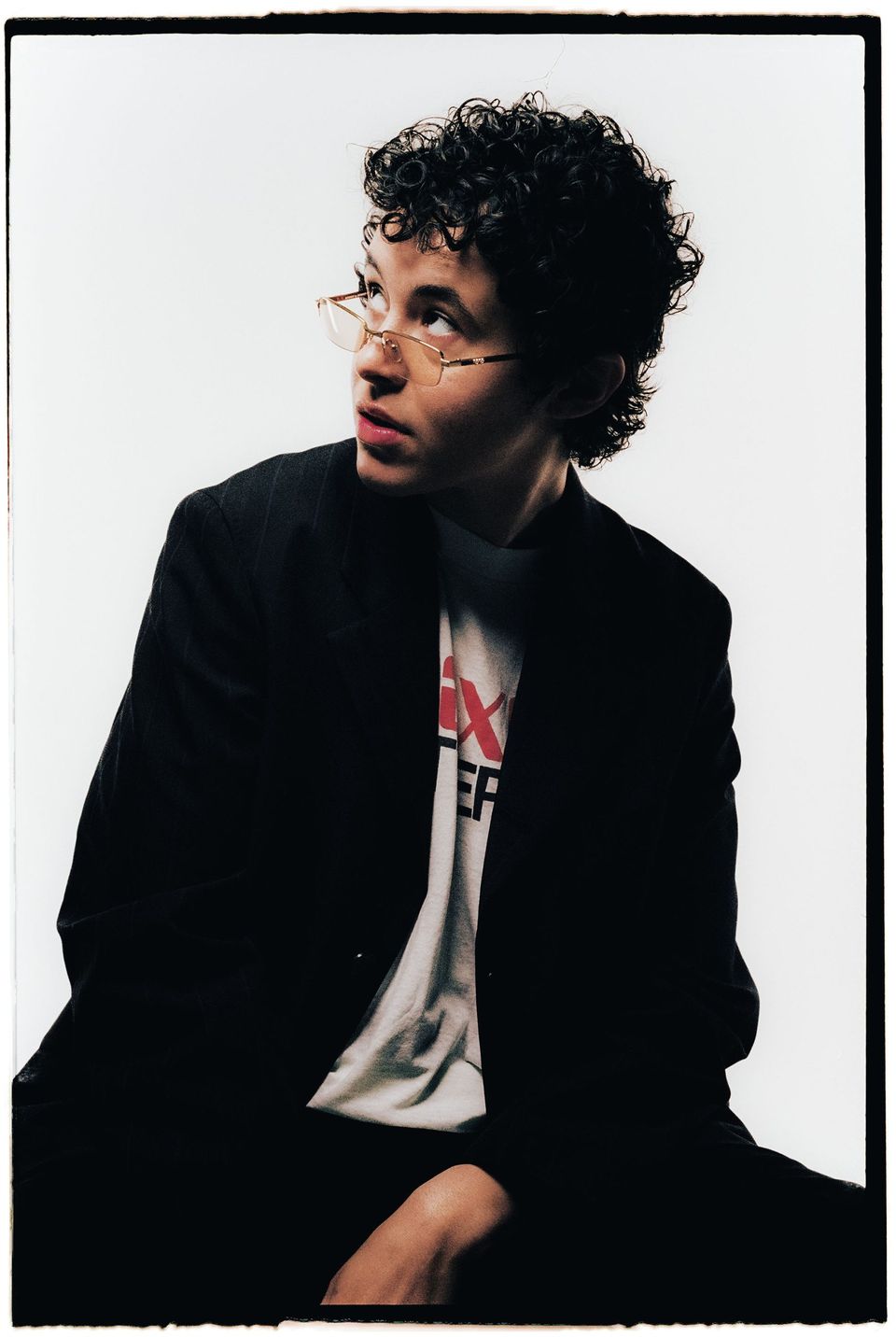
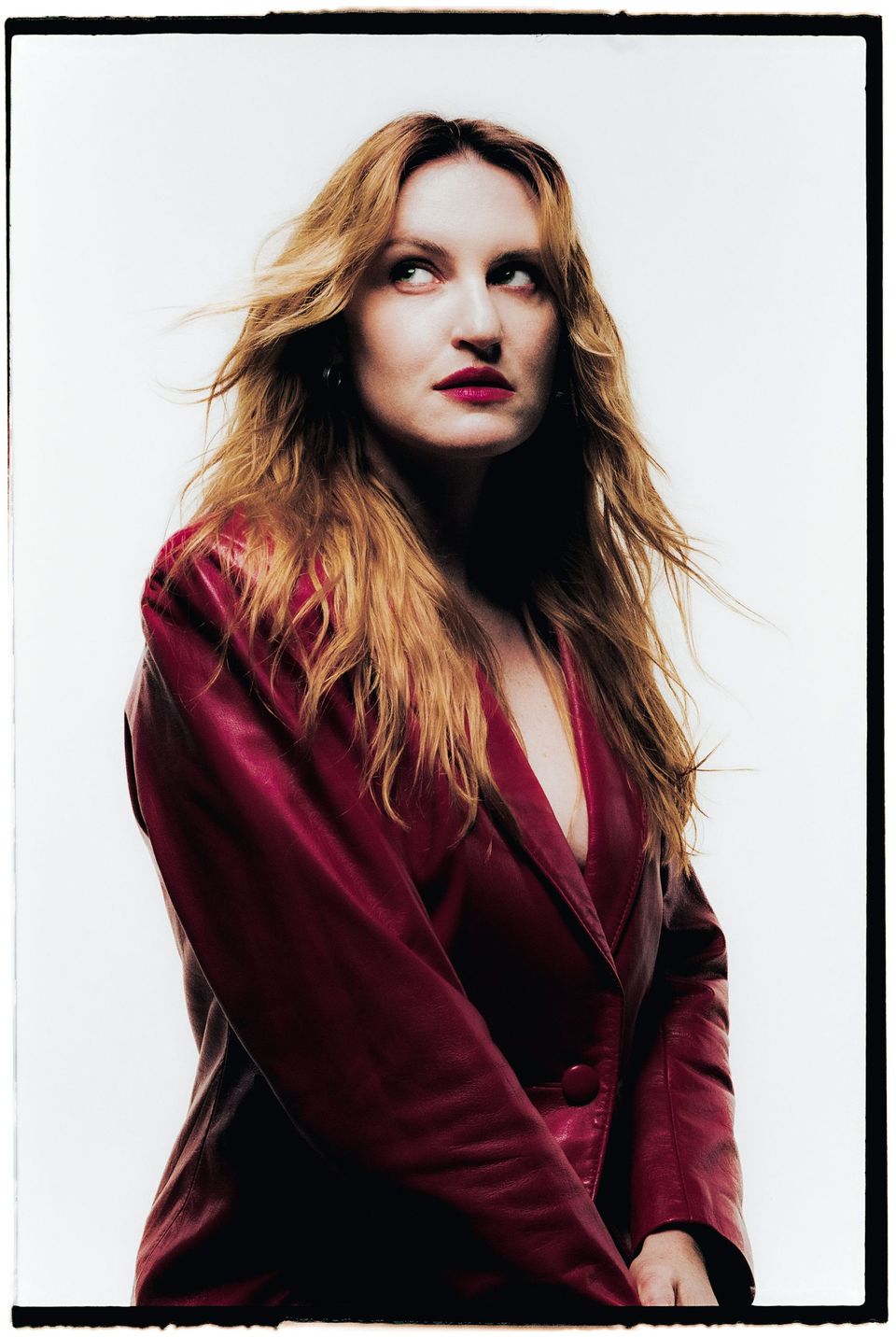
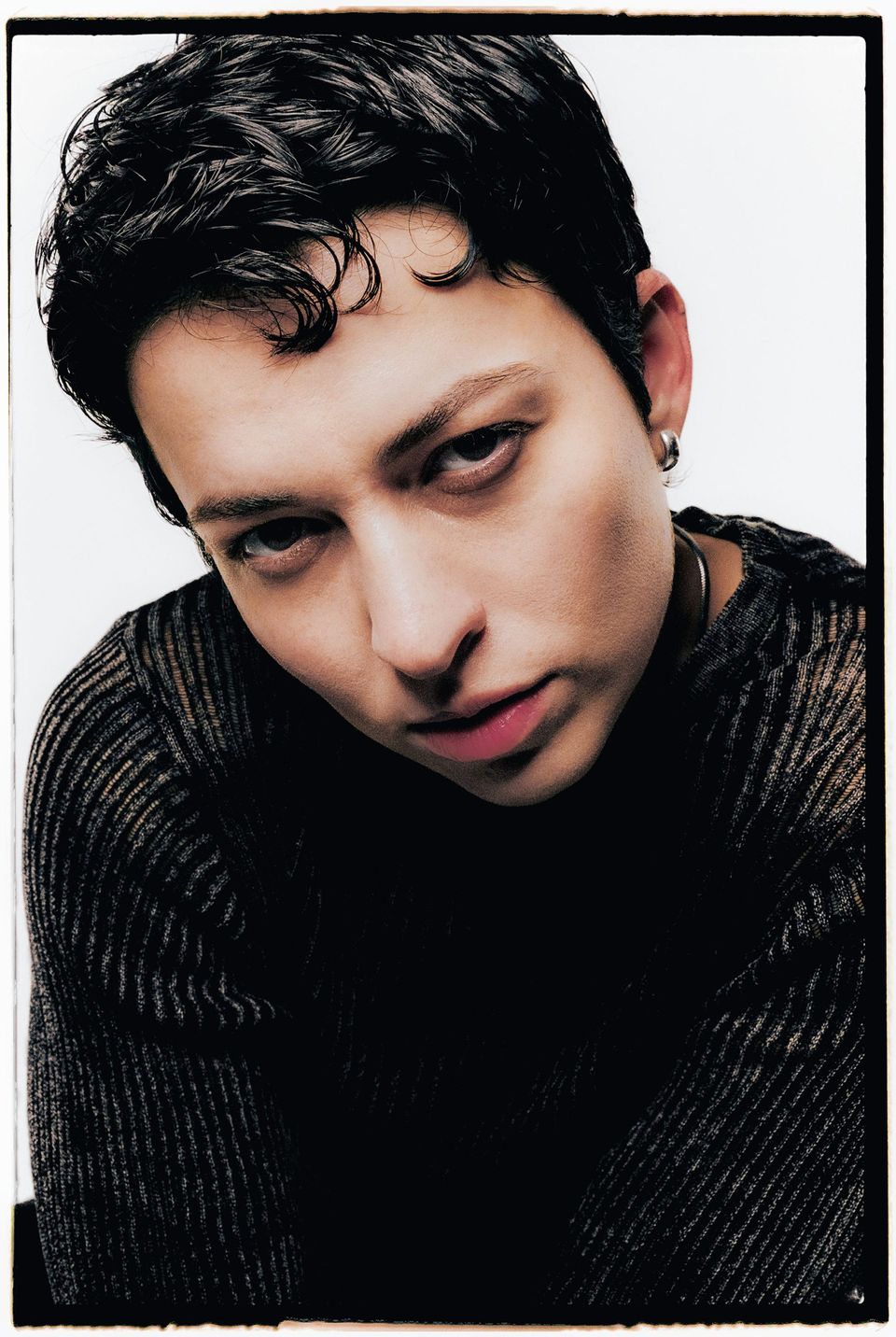
In its willingness to face up to emotion in all its all-consuming weight, there is a certain element of confrontationality to the album that feels abundantly necessary. It's in the examination of those feelings, their own reactions, the questions asked of others, of the state of the world. "We're not super into the idea of our band being escapist," Katie notes. It's difficult to imagine MUNA could ever be escapist - yes, there's joy to be found in the high-octane pop that rolls through the sonics, but it doesn't hide the circumstances it was brought to life in. It's engaged and grounded in a reality where the news is more harrowing with every scroll, and it's impossible not to get caught up in that. It occupies a middle ground and conflict of being present in your day-to-day life and experiencing desire and want and hurt inevitably, but knowing everything else is on fire outside of it, that the specificity of the album's world is built.
"I think the last cycle was very much about reclaiming desire in this way that feels empowering," Naomi considers. "This album is about mulling over the conflicted feelings of having desire in this time. There's a tension between the longing in the songs, and the general pace and anxiety of the world the album lives in. It feels like a very hot, sweaty, desire-fuelled, on-the-edge-of-the-apocalypse world."
Desire is the thrumming heartbeat of the album, in all its complexities and forms. Desire for a person, desire for understanding, desire for answers and a way out and a way to find release. It's an ever-shifting, unnerving beast that writhes through each track, nestling itself amongst the crowd of dance floor dwellers desperate to feel their way out.
"It's also questioning and looking at desire as something that can be commodified or manipulated," Katie explains. "Whether that's desire for fame, and external validation and where that will lead you, or in songs like 'Big Stick', desire as something that can seduce you into participating in a structure of capitalism or wealth-hoarding or defence. Also, there's the desire for the unavailable as a way of avoiding connection and intimacy that's actually nourishing and necessary for us to build a different world. I find that often my desire is actually a very confusing realm, and I can feel like it gets out of my control and I end up chasing desire for something that I don't even know if I want."
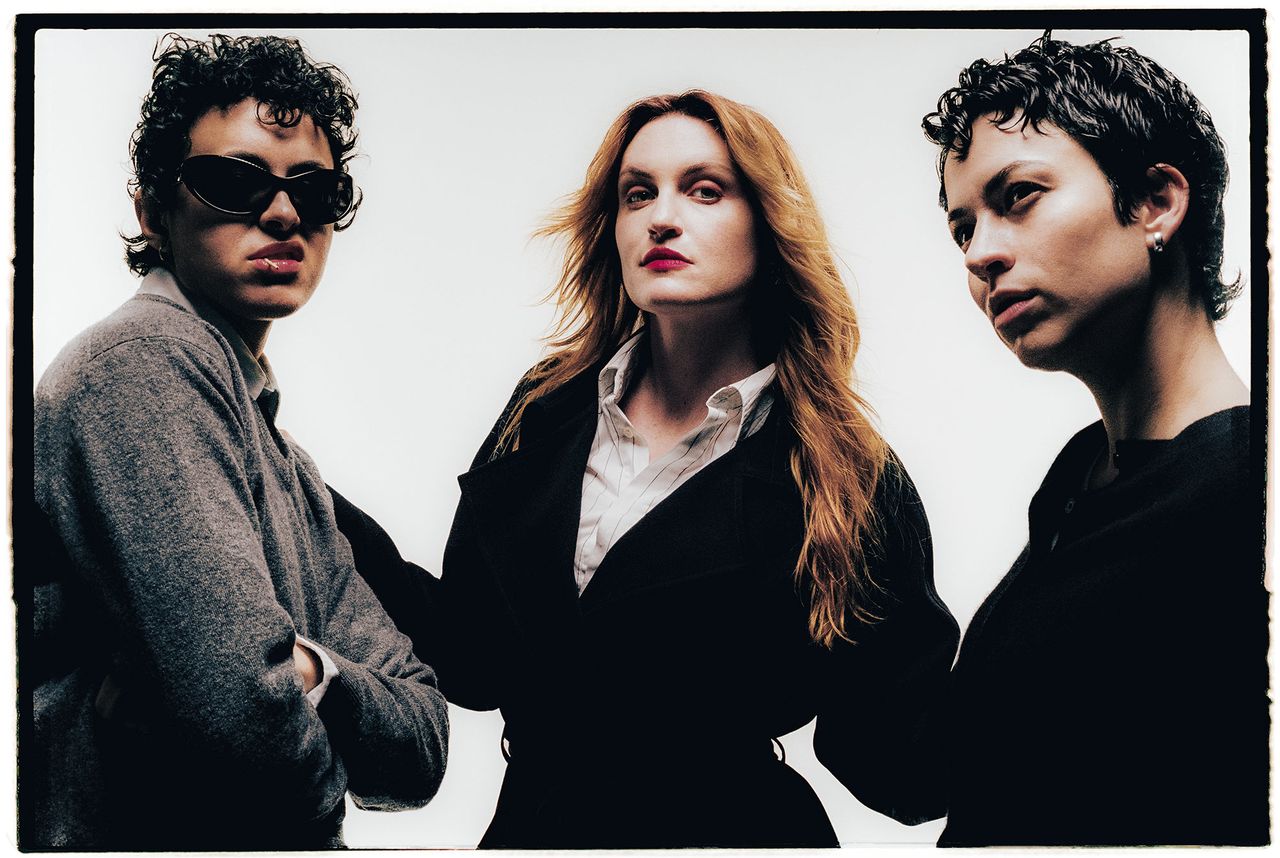
"It is fantasy with self-awareness, but it's not fantasy built on optimism"
That desire is wrapped up in the oppressive heat of the record, so unrelenting it leaves you tending towards delirium. It's entangled with fantasy - to think as deeply as the album encourages you to do, and separate those desires and find truth is to catastrophise, to revisit and spiral and imagine a myriad of different conclusions, knowing that it is all out of your hands in the context of this present moment.
"We've talked about this amongst ourselves a while ago, but I really do think it is a thesis of the subject matter of the album. There's this line from 'It Gets So Hot'," Naomi notes, referencing the album's opening track. "'It gets so hot so I might as well daydream'. The external circumstances around you are so intense and stressful that you can't help but want to eject into your mind and into your fantasy, but you have the knowledge and feeling that that is wrong."
"It's fantasy with knowing," Josette agrees. "It is fantasy with self-awareness, but it's not fantasy built on optimism. It's like a drug. The current feeling, does it always actually feel good? No."
It's an album that is reflective of the world around us at every step, and yet unflinching throughout in its dedication to intimacy. Everything is falling apart, but you're pressed in close as you dance - arm brushing against arm, words shouting in a friend's ear to be heard over the noise. It affords equal space for the interior, for the heart-wrenching what-ifs and resentments and jealousy and frustration found in the everyday, and it craves release amongst the heaviness of a crowd. It never fully finds it - the melancholy haunts the back of minds without pause, but there is space to process it here through sharing that. It encourages you to continue despite it all.
The sonics are the still-beating heart here, the force to drag you through. Occasionally fraught, but more often driving, they capture an elation at odds with the stirring, thoughtful lyrical content, and wholly impossible to resist. From glorious synths to deeply-moving strings, it's never completely settled on one version of the band, a constant reflection of the oscillating world around them. Tracks like 'Mary Jane' are vindictive in their infectiousness, while 'Wannabeher' is an intoxicating, spiralling listen. Title-track and first single 'Dancing On The Wall' sets the tone, though - lyrically, and in terms of the adrenaline hit it offers with each listen. With the references sitting somewhere between the lead synths of previous track 'Solid', from 'MUNA', and 'Papa Don't Preach', it truly is MUNA at their very best.
"It's just classic things I like about it," says Katie. "I like that it's in this queer canon of pop songs that is this combination of dance and catharsis and deep emotion and loneliness. It feels like something that we've done before, but this is the best version of it. That song was workshopped a lot, and the song changed once we brought it in. It was a lot of punching up, which was kind of annoying and hard to do."
"I think that's the thing that's taken us years to do," Josette admits. "This album is the reflection of us putting whatever we feel aside to try to make whatever it is the best. Every album is, but I think this is the most we've been able to."
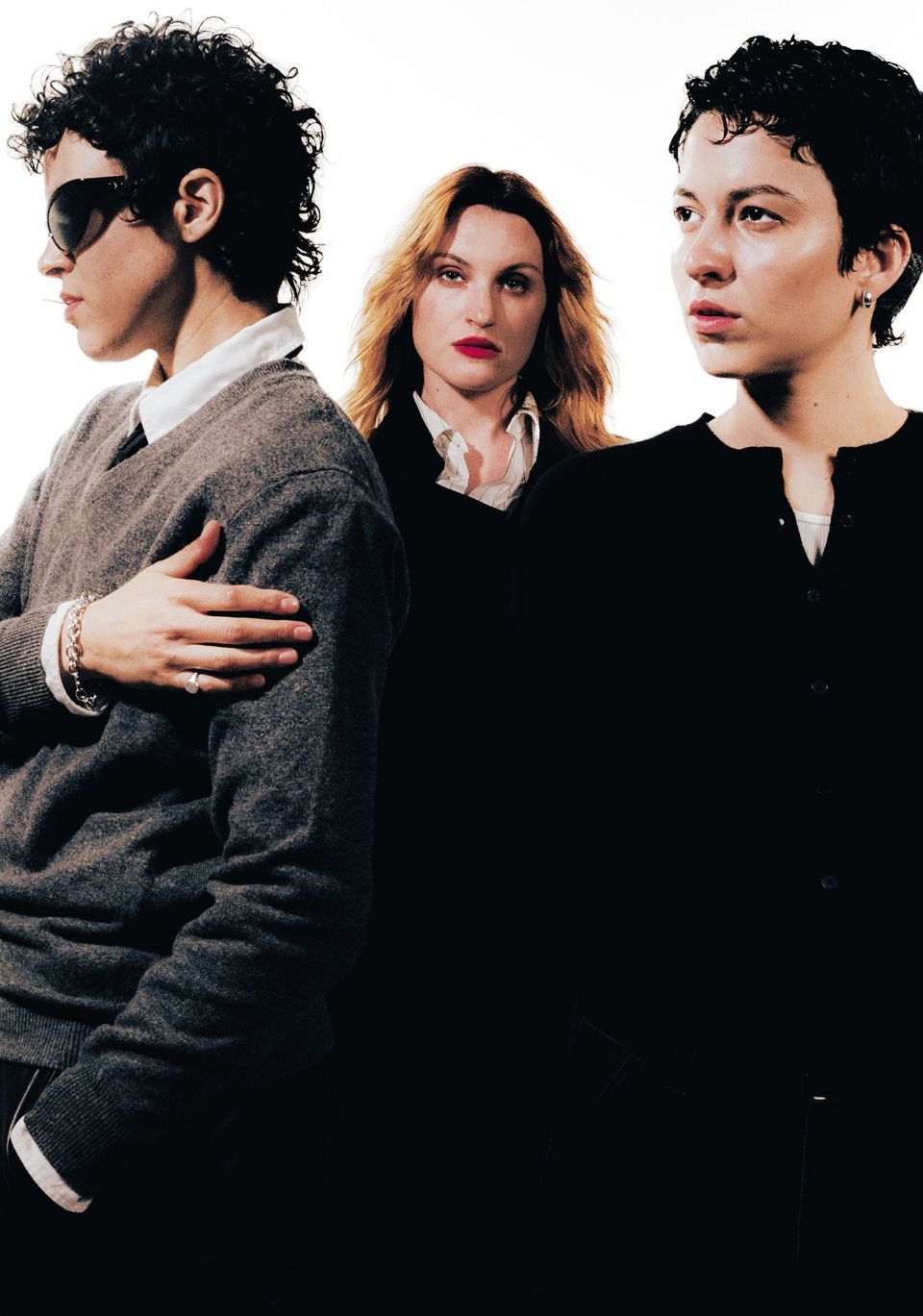
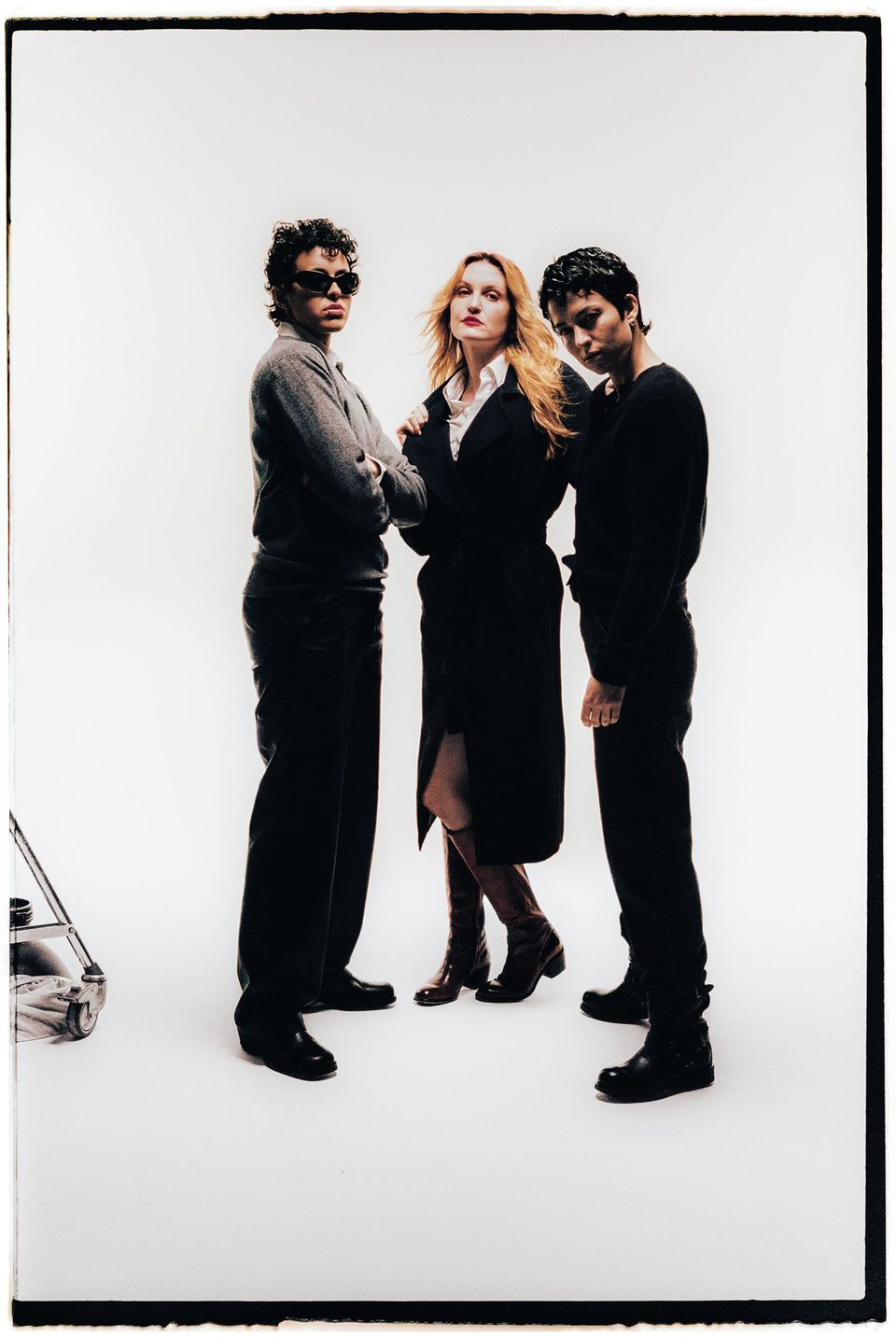
'So What' is arguably some of their best work yet - a synth-heavy, sprawling track that cascades towards an unexpected conclusion. It's nothing short of gorgeous, and out of left field in many ways for the band, but revitalising as a result and perfectly encapsulating the introspection at the album's core. It's a moment of reflection amidst it all, a means of finding catharsis outside of the norm.
"The conventional thing is you'd think it would all be leading up to some big drop," Naomi explains.
"We're sick of that shit!" Josette confirms.
Naomi continues: "We were like, okay, what can we do that subverts expectations a little bit but still gives you that release? So we slowed it way down, and it became this cool 2010s synth thing. It feels really emotional and sad. Me and our drummer Sarab [Singh], his ride cymbal is all over that song, we were walking around the studio with two remote mics on, picking stuff up and putting it down, and we found a cool section that sounds like someone stumbling into their apartment drunk after a party. It's not a concept record by any stretch, but it's theatrical. It could be a musical!"
The cinematic elements of their sound are indeed more pronounced than ever, and it's album closer 'Buzzkiller' that compounds that. Aching and tense, it leaves the album on an ambiguous note, in a true commitment to reflection. It's the type of track that leaves you breathless, teetering on the edge of your own contemplation and filled with restlessness.
"Things are only getting worse, so it's hard to wrap up an album neatly if we're writing in this time and trying to make an album that at least reflects our lives as we experience them really," Naomi says. "There's some ear-candy stuff at the end of the record that is taken from videos that we had on our phones of moments from the past 5, 6, 7 years of tour. It's us talking and videos of us walking down the street in New York, LA, Manchester - all this stuff spliced together. I was fixated on this idea of it feeling like you're scrolling through your phone and the videos are autoplaying and you're getting these snippets of experience at the end of the record. It's not fully hopeless, there's some sweet stuff at the end, but it is kind of in this broken way."
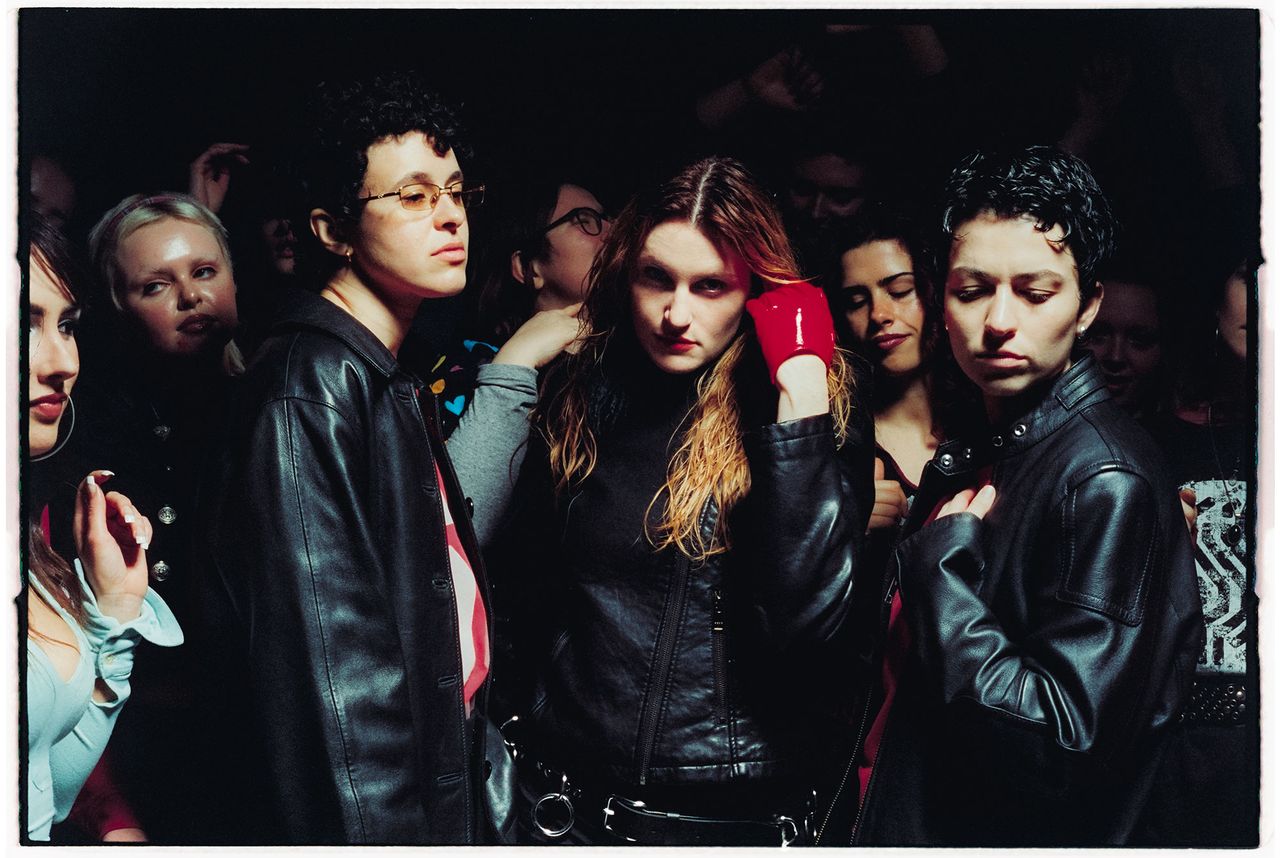
"Throw your phone in the trash"
On their fourth album, MUNA grant permission to be sentimental and intimate even when it feels at odds with everything around you - sometimes, that can be a saving grace. It's a true, lived experience encapsulated and brought to life in one sultry, agitated album, and it's a command to dance yourself out of it, to find what brings you joy and connection and cling to it desperately. Under smoke and lights, they encourage you to acknowledge it all, turn your emotions up to the max and let it all whirl around your mind as you spin and shake. 'Dancing On The Wall' feels important and timely and necessary, and it comes with its own set of rules, laid out by the band to fully immerse yourself into the world of this defining record.
"Throw your phone in the trash," Katie advises. "Be off the internet, and have a physical location that you hang out with your friends at. I'm a proponent of going out and dancing for 5 hours in a row, get yourself into a spiritually meditative state. Gossip, but gossip as community care, gossip as warning people about the people they need to be warned about."
"Have fun in the group chat. Tell a stranger you like their outfit," adds Naomi. Josette contributes: "I like telling someone that they're beautiful in a neutral way." "Coordinate your outfits with your best friends. And political activism and organising," offers Katie. "Get tapped into literally anything local that is helpful to your community," agrees Naomi. "Also, read a book. In the sun," says Katie. Naomi concludes: "Get sweaty." ■
Taken from the April 2026 issue of Dork. MUNA's album 'Dancing On The Wall' is out 8th May.